Facial Plastic Surgery / Patient guide
Facial and Head & Neck Skin Cancer
Tampa and Wesley Chapel, Florida both have lots of warm sunshine, but along with that comes a risk of too much sun exposure.
As a Floridian, be sure to protect your skin with a high SPF sunscreen, clothes, wide brimmed hats, and sunglasses. Skin cancer is the most common cancer diagnosed in the United States, and the most common area to develop this is on the face. Skin cancer will affect one out of every five Americans during their lifetimes, according to the Skin Cancer Foundation.
At a glance
Types of Skin Cancer:
- Basal–cell carcinoma (BCC), is one of the most common cancers in the US (about 70% of all skin cancers). It rarely metastasizes or kills. However, because it can cause significant destruction and disfigurement by invading surrounding tissues, it is still considered malignant.
- Squamous cell carcinoma (SCC) is another common cancer (about 20% of all skin cancers) that can be cured when found early and treated.
- Melanoma (5% of all skin cancers) is less common and more serious than BCC or SCC.
Understanding your health
What to do if you have a suspicious lesion:
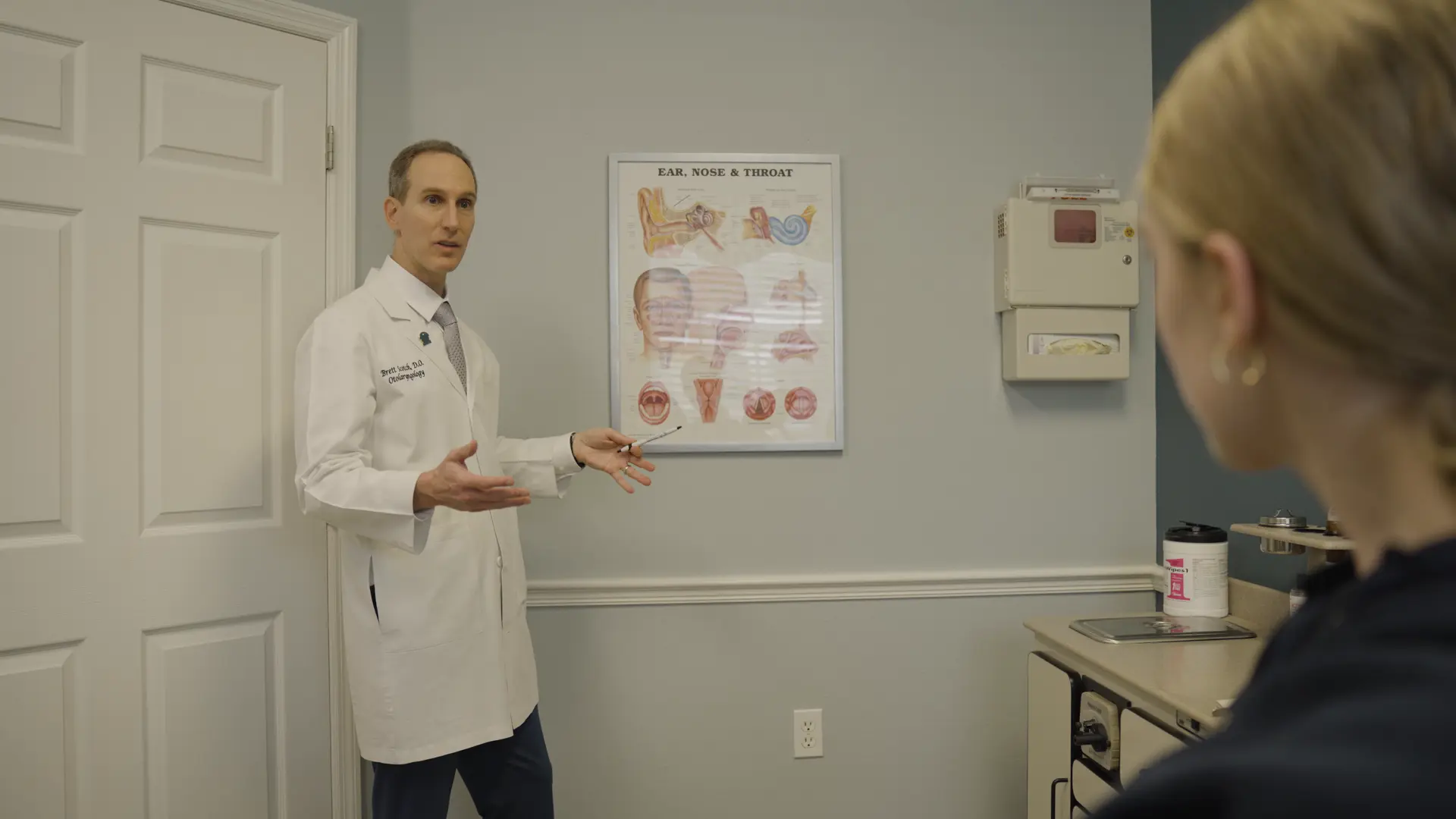
Should you have a suspicious lesion on your scalp, face, lips, ears, or neck, Dr. Scotch or Dr. Hope Bueller can evaluate it and take a biopsy.
A pathology lab will evaluate the lesion and determine the diagnosis. If it is cancer, Dr. Scotch can surgically remove it and reconstruct the surgical wound from the skin cancer using various plastic surgery techniques.
Dr. Scotch is also board certified in Facial Plastic Surgery and performs many of these procedures on the face, head, neck, and ears. He will provide you with expertise in diagnosis and treatment of your skin lesion or skin cancer.
Anyone who has had skin cancer once is at risk for getting it again; and should get a thorough checkup at least once a year.